
TL;DR
Families who reach out about teen therapy in San Ramon often share the same worry: Is my teen's social life okay? Teens don't need a big friend group to thrive. A few close, supportive friendships may contribute more to a teen's well-being than having a large social circle or being popular. A national study even found that friendship quality was more closely tied to teen mental health than time spent on social media.
Healthy teen friendships make room for honesty, support during hard times, and the ability to work through conflict. Parents can help by creating chances to connect outside of school, talking about what a good friendship feels like, and coaching their teen through conflict. When teen loneliness, rejection, or social anxiety keep them from connecting, therapy can help.
Your Teen's Friendships Matter More Than You Might Think
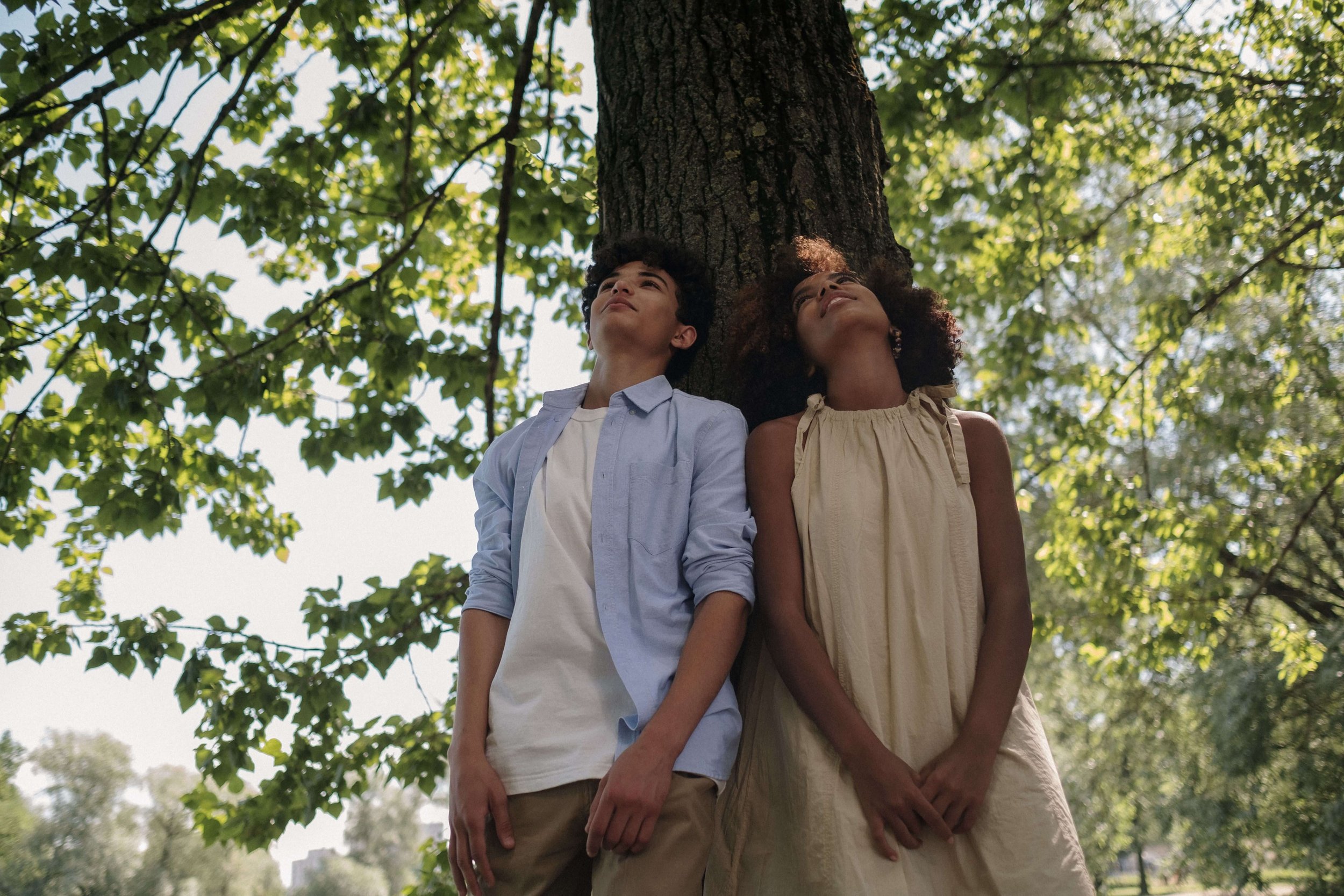
When parents picture a healthy social life for their teen, they often picture a crowd. Think of a busy group chat, plans every weekend, and a birthday guest list long enough to need a spreadsheet. So if your teen spends most Saturdays with the same one friend, or with no one at all, it’s natural to feel a pang and wonder if something is missing. That question brings many families to our San Ramon therapy practice, and the answer is usually more hopeful than they expect.
Here’s the reassuring part. The size of your teen’s circle tells you far less than you might think. What really carries a teen through these years is having a few people who genuinely know them. A teen with one steady friend is often on more solid ground than they look. This blog is about the friendships that actually matter at this age. We’ll get into what a healthy connection looks like, how to tell when a friendship is doing more harm than good, and the practical ways you can help your teen find their people.
How Many Close Friends Does My Teen Actually Need?
There's no ideal number of friends every teenager needs. For some teens, one or two close friendships may be plenty. Big friend groups tend to get the attention, but they aren’t considered the norm. Most teens have a small circle, and 64% have between one and four close friends. Only 2% have none at all. If your teen’s circle looks small to you, they’re in very good company.
What matters more is how close those friendships are. One study followed teens all the way into adulthood. By age 25, the ones with a few close friendships had higher self-worth and less social anxiety and depression than popular teens with bigger, looser friend groups. Popularity can look impressive from the outside. Being truly known by someone tends to do more lasting good.
How Friendship Quality Compares With Screen Time
Based on recent research, they may matter more than most parents think. An NIH-funded study of 963 teens ages 13 to 18 looked at both social media use and friendship quality. It found that strong friendships were more closely tied to teen mental health than social media use. In fact, the link was nearly three times stronger.
Teens with weaker friendships and similar amounts of screen time were more likely to report poor mental health. The study shows a connection, not proof of cause, and screen limits still matter. Still, it suggests that helping your teen build real connections deserves as much attention as their screen time.
What Does a Healthy Teen Friendship Look Like?

Usually, it’s one where your teen gets to be fully themselves. A good friend is someone your teen can tell the embarrassing story to, or the worry they haven’t said out loud yet. They can trust it won’t end up in the group chat by morning. That friend listens more than they judge, cheers your teen on, and tends to care about the same things they do.
Healthy friendships still have their bumps. Teens argue, misread each other, and sometimes say things they regret. What matters is what happens next. Someone apologizes, someone forgives, and the friendship holds. In everyday life, that might look like a friend who still saves your teen a seat at lunch the day after an argument. These are the friendships that quietly help teens bounce back from everyday stress, grow more caring toward others, and feel like they belong somewhere outside their family.
How Can I Tell if a Friendship Is Hurting My Teen?
Often, the clearest clue is how your teen seems after they’ve been together. Teens rarely come home and announce that a friendship is wearing them down, but their mood usually tells the story. Healthy friendships are built on ongoing patterns of respect, trust, and reciprocity. While even good friendships have difficult moments, an unhealthy friendship may consistently leave your teen feeling anxious, drained, or unsure of themselves.
Over time, you might also notice pressure to take risks, drama that never seems to settle, being left out on purpose, or unkind comments online. It helps to understand why this kind of hurt cuts so deep. Social rejection can be genuinely distressing, which is why “just ignore them” rarely helps. What your teen is feeling is real pain, and it deserves to be taken seriously. Keep some perspective, too.
How Parents Can Help Teens Build Stronger Friendships
The most helpful thing you can do is create chances for connection, then give your teen room to take it from there. Friendships rarely form out of thin air, especially for teens who are shy or between friend groups. One activity outside of school, like a sport, club, part-time job, or volunteer role, gives your teen a ready-made reason to talk to someone new. It also helps to make your home an easy place to land. A stocked snack drawer and a willingness to drive go further than you might expect.
When friendship trouble comes up, your role shifts from fixer to coach. Instead of jumping in with a solution, you might say, “That sounds like it really hurt. Do you want help figuring out what to say, or do you just need to vent?” Letting your teen lead keeps them talking, and each of these conversations teaches them a little more about what a good friend feels like.
That same coaching mindset helps when you’re not crazy about one of their friends. Sharp criticism usually pulls teens closer to the person you’re worried about. Curious questions give them space to notice the problems on their own. And sometimes, no amount of coaching will save a friendship, which is okay. Teens change a lot during these years, and their friendships often change right along with them.
Do Boys Have a Harder Time Finding Support?
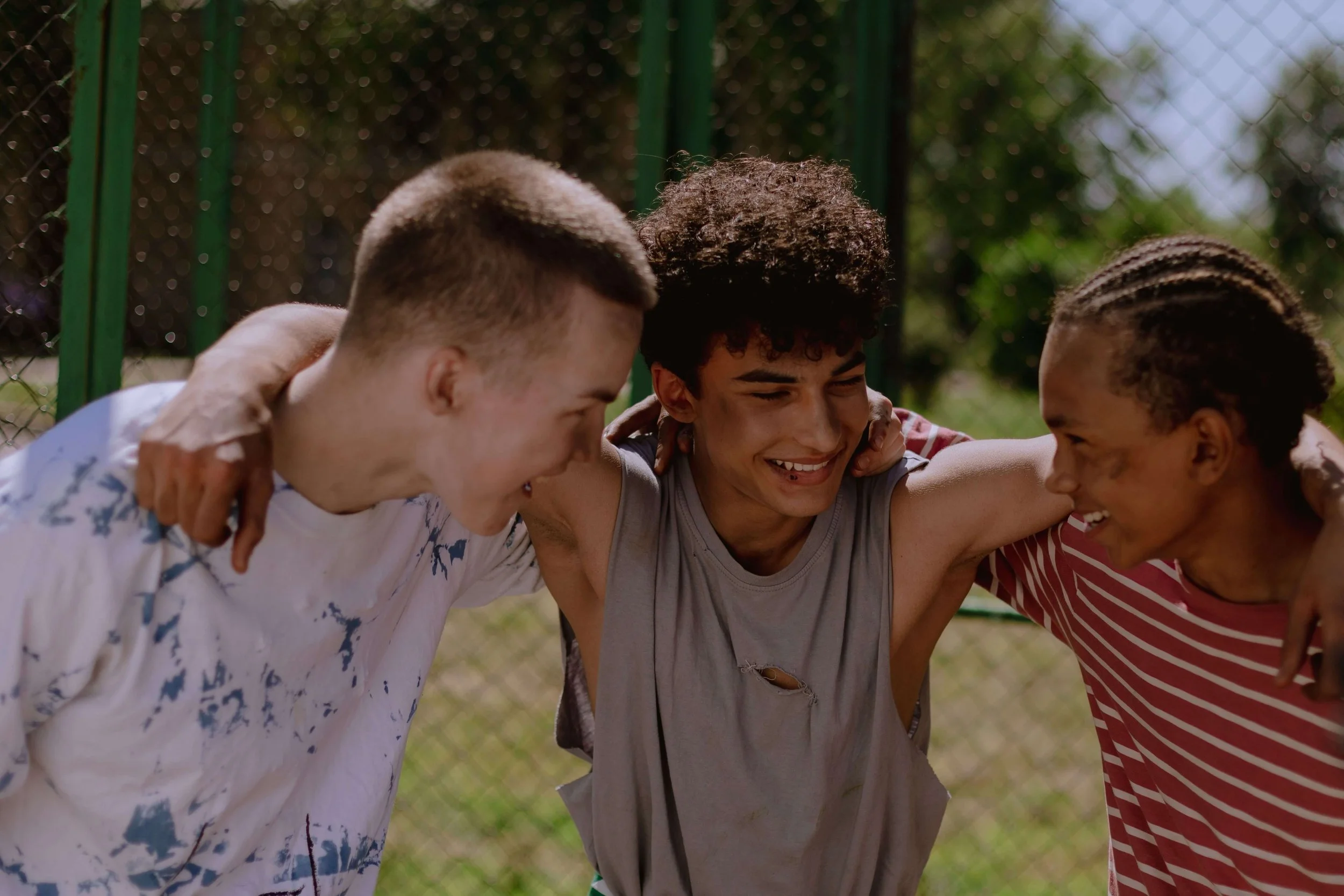
Some parents of boys may recognize this pattern. Their son has plenty of buddies for basketball or gaming, but when something is really wrong, he keeps it to himself. That pattern shows up in the research, too. Among teens with at least one close friend, 95% of girls have someone they can turn to for emotional support, compared with 85% of boys. Teens notice the gap as well, and most say girls have it easier when it comes to friends they can lean on.
Some boys may find it easier to connect through shared activities than direct conversations about their feelings. They tend to bond side by side, shooting hoops, playing video games, or building something together. Those friendships still count. The hours spent laughing over a game can build the kind of trust a harder conversation needs later on. You can help by making room for that time and by letting your son know it’s okay to talk to a friend when something is weighing on him. Hearing it from you can make it feel a lot less awkward.
When Is It Time to Get Help With Your Teen’s Friendships?
Most friendship ups and downs are a normal part of growing up, and many settle on their own. It's worth a closer look when friendship struggles begin interfering with your teen's daily functioning, lead them to avoid school or activities, or involve ongoing bullying. Strong social anxiety is a signal, too. That’s when teen therapy can make a real difference, giving your teen a safe place to practice the skills friendships depend on.
Therapy can help teens manage social anxiety, cope with rejection, and establish boundaries with friends who aren't treating them well. Along the way, they get clearer on what they actually want in a friend. Parents benefit as well, learning how to support their teen without taking over. Teen therapy can help your teen move from feeling left out to feeling confident enough to reach out. If friendship struggles are weighing on your teen, that’s a good time to get in touch.
Is Your Teen Struggling to Find Their People? Teen Therapy in San Ramon, CA, Can Help.
If your teen feels left out, stuck in a friendship that’s hurting them, or unsure how to connect, you don’t have to figure out the next step alone. At Ritenour Counseling, we give teens a safe, confidential space to work through loneliness, rejection, and social anxiety, and we help parents learn how to support them without taking over. Working with a teen therapist can help your teen build the confidence and skills to form friendships that actually support them.
You’ve already taken a meaningful step by paying attention and asking these questions. Whether you’re ready to get started or just want to learn more about how we work, we’re here with compassion, no pressure, and a real understanding of what families in this community are navigating.
Begin by scheduling a 15-minute consultation online or by calling (925) 212-8014
Learn more about our approach to teen therapy and how we support teens navigating friendships and connection
Connect with a teen therapist in San Ramon who understands how much the right friends can change a teen’s world
Other Services Ritenour Counseling Offers in San Ramon
Helping your teen build healthy friendships is often part of a larger journey toward a more confident, resilient sense of self. At Ritenour Counseling, we recognize that these struggles rarely show up in isolation. Loneliness, social anxiety, low mood, people-pleasing, and teen social comparison tend to feed one another. Our goal is to provide support that meets what your teen and family are experiencing right now and adapts as those needs change.
To keep that support strong, every clinician at our practice participates in twice-weekly case review sessions with a licensed therapist, ensuring your care is continuously informed by collaborative expertise. Our team is also required to engage in ongoing professional training, so clients benefit from clinicians who are consistently sharpening their skills and staying current with best practices.
Teen therapy in San Ramon is an important part of the care we provide, and it’s designed to work as part of a broader, flexible support system. As teens grow and change, the challenges they face shift as well, and therapy can adjust right alongside them.
In addition to supporting teens through friendships and connection, we offer a variety of counseling services, including therapy for anxiety and depression, bipolar disorder support, bullying-related concerns, children’s therapy, family systems therapy, parent counseling, relationship counseling, couples therapy, insomnia therapy, stress management, therapy addressing technology and screen time concerns, and support for highly sensitive individuals and people-pleasing.
Change isn’t always easy, but you don’t have to do it alone. Get in touch today or explore our blog and FAQ page for more insight and support.
About the Author
Michelle Ritenour, LMFT, has been practicing in San Ramon since 2008. Born and raised in the East Bay, Michelle is now raising her own children in the community she’s always called home. Before becoming a therapist, she spent 10 years as an elementary school teacher in the local school district, where she saw how much a single good friend could change a child’s whole school day. Michelle’s training centered on Family Systems and child/adolescent therapy, which shapes how she helps teens build connections that support them and helps parents support those connections from the sidelines.
Her approach is warm and empathic, and much of her work focuses on helping teens and young adults who are feeling stuck take a step forward. She brings her friendly and approachable personality to every session, infusing humor and lightheartedness while also being direct when necessary. Michelle creates a safe space where teens feel comfortable figuring out who their people are.
References
Newport Academy. Teen Friendships.
Pew Research Center. Teens' Friendships and Emotional Support Networks.
NIH ECHO Program. For Teens' Mental Health, Strong Friendships Matter More Than Social Media Use.
University of Virginia. You've Got a Friend—and That's Good for Teens' Mental Health Down the Road