
TL; DR
Starting high school isn't one single change. It's several landing at the same time. A bigger, more anonymous school, a steeper academic bar, a reshuffled social world, and in a community like San Ramon, the added weight of knowing ninth-grade grades already count. Most teens carry more anxiety about this transition than they let on, and it often shows up as flatness or irritability rather than anything that looks like distress. Some wobbling in the first few weeks is completely normal and expected. The signal worth paying attention to is struggle that deepens rather than eases: school avoidance, persistent sleep disruption, grades that drop and stay down, or anxiety that keeps climbing. When the rough patch stops feeling like an adjustment and starts affecting daily life, teen therapy can give your teen a steady place to process the shift, manage what's hard, and build the skills this new chapter genuinely requires.
When Teens Go Quiet Before the First Bell Even Rings
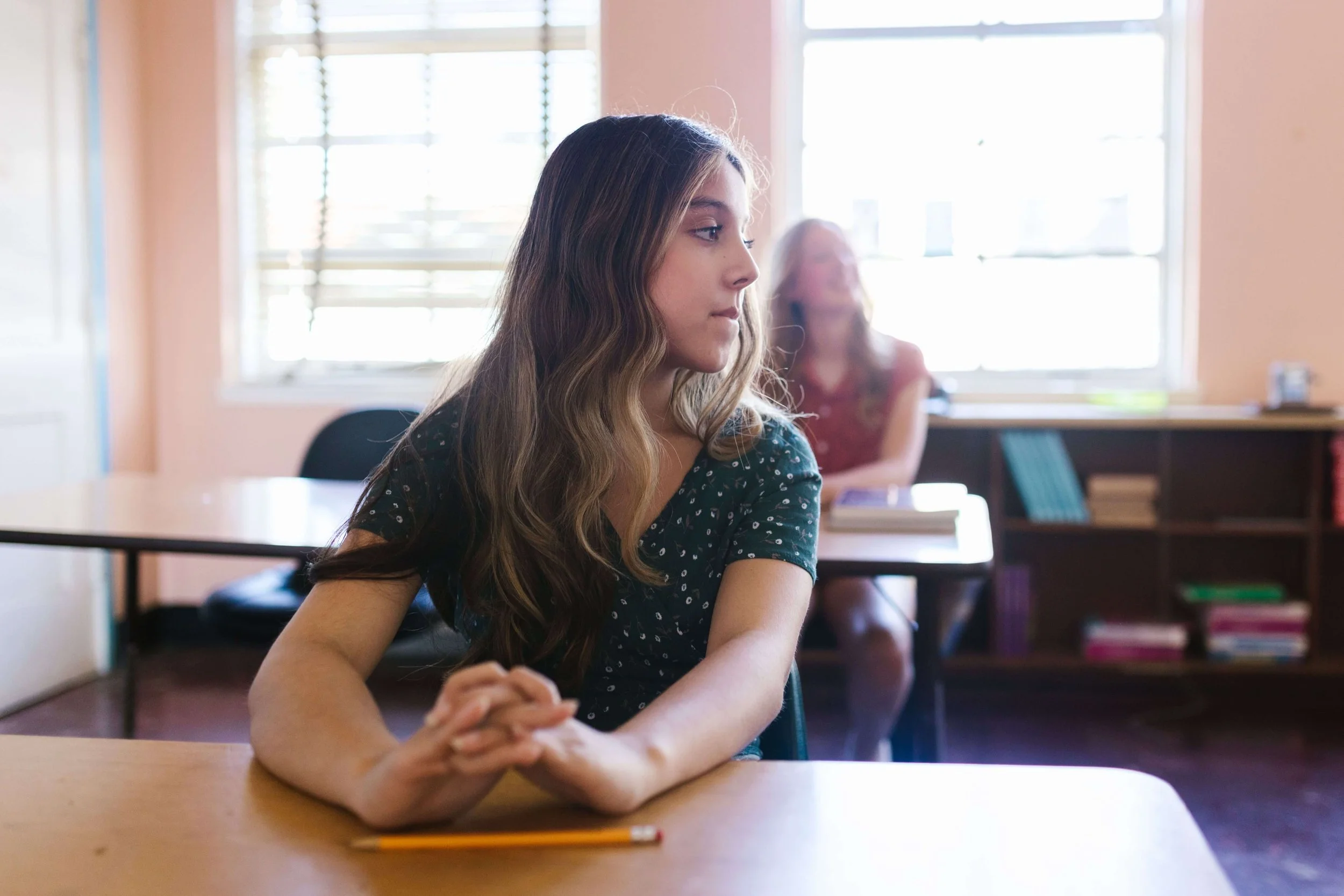
Your teen isn't melting down. They've just gone quiet. Shorter answers at dinner, more time behind a closed door, a flicker of dread when someone mentions the first day that's creeping closer on the calendar. This quieter kind of struggle is one of the more common reasons families reach out for teen therapy in San Ramon. Starting high school is one of the biggest transitions a young person ever goes through, and its weight often shows up sideways rather than out loud.
A bumpy start doesn't mean something is broken. Most teens wobble before they find their footing. Understanding what your teen is really carrying and how this shift tends to unfold makes it much easier to help them through it.
Why Does Starting High School Hit So Hard?
Because it isn't a single change your teen can brace for and move past. Several big shifts land at the same time. The academic bar jumps, the social world resets, and the expectations around independence climb fast. On top of all of it, the school itself is suddenly larger and more anonymous than the one they just left.
There's a Local Layer Too.
In a community as achievement-focused as San Ramon, ninth-grade grades are the first ones that "count" toward college. Teens feel that pressure early, whether or not anyone says it out loud. Any one of these changes would be a lot to handle. Stacked together and layered over the ordinary turbulence of being fourteen, they're genuinely destabilizing. Feeling overwhelmed isn't a red flag here. It's a reasonable response to something big.
The Summer Before: What Your Teen Is Quietly Worried About
Long before the first bell rings, most teens are already running anxious what-ifs. They just rarely say them out loud. The worries tend to sound something like this. Will I have anyone to sit with at lunch? What if I get lost between classes? Am I actually smart enough for the harder courses? And what happens if my middle school friends and I drift apart once we're all in different classes? A teen who seems checked out or unusually irritable over the summer often isn't careless about the change ahead.
Frequently, they're bracing for it, and the flatness is what bracing looks like from the outside. Here's what helps at this stage. Make room for the worries instead of rushing to solve them. It's tempting to jump straight to "you'll be fine," but that kind of quick reassurance can accidentally shut the whole conversation down. Your teen needs to feel heard first. The reassurance lands much better after that.
The First Few Weeks: What's Normal and What's Not

Some anxiety, exhaustion, moodiness, and social wobbling in the first few weeks is completely normal. Most teens settle into a new rhythm within a month or two. A nervous system responding to real change is doing exactly what it's built to do.
When It's More Than an Adjustment
The difference between a normal rough patch and something more comes down to three things: how intense it is, how long it lasts, and how much it's affecting daily life. Normal adjustment eases as the weeks go on. A harder situation deepens, or simply refuses to budge.
Watch for a teen who's avoiding school or asking to stay home, grades that drop and stay down, or a full retreat from friends. Stomachaches and headaches with no medical cause are worth noting too, along with sleep that falls apart or anxiety that keeps climbing instead of settling. When these linger well past the early weeks, they're worth taking seriously.
How Can I Help My Teen Adjust to High School?
Stay connected, support the new skills without taking them over, and try not to let the first semester become all about grades. Those three pieces work together, and none of them is as hard as it sounds. Connection comes first, and it starts with curiosity rather than interrogation. Open-ended check-ins keep the door open in a way that rapid-fire questions about homework never will, so aim to be someone your teen wants to talk to instead of one more source of pressure. That open door is how you'll hear about the harder stuff before it grows.
The skills piece follows from there. Ninth grade asks far more of a teen's organization than middle school ever did, so help them build systems they can run on their own, like a planner, a steady homework routine, and a way to track assignments across several teachers. Capability is the goal rather than dependence, which means resisting the urge to quietly take it all over the moment they stumble.
Ease the Pressure, Protect the Basics
Grades are where a lot of well-meaning pressure tends to sneak in, so tread lightly there at the start. A kid who's still figuring out where the bathrooms are doesn't need a referendum on their transcript in week three. Once they've found solid ground, there will be plenty of time for that conversation.
Underneath all of it, protect their sleep and downtime, the two things that get sacrificed first and matter most. And say the quiet part out loud, reminding them that nearly everyone feels lost at the start, including the confident-looking kids who seem to have it all figured out.
When Extra Support Makes Sense (and How Therapy Helps)

When the struggle lingers past those early weeks, deepens, or starts bleeding into daily life, bringing in a teen therapist in San Ramon can make a real difference. Therapy gives a teen a steady, judgment-free place to name what's actually hard, without worrying about disappointing anyone. That alone tends to loosen something. From there, the work supports the anxiety and self-doubt that so often spike during a transition. It helps a teen build the coping and organizational skills that ninth grade suddenly demands.
And it makes room for the bigger questions about belonging and identity that surface when a social world reshuffles all at once. The teen therapy that we provide at Ritenour Counseling meets a teen right in the middle of the shift, so they don't have to white-knuckle their way through it alone. Working with a therapist who understands the specific pressures of this community can help the whole thing feel less lonely, for your teen and for you.
Is the Jump to High School Weighing on Your Teen? A Teen Therapist in San Ramon, CA, Can Help.
If starting high school has knocked your teen off balance, they don't have to find their footing alone, and neither do you. At Ritenour Counseling, we give teens a steady place to process the change, manage the anxiety that comes with it, and build the skills this new chapter asks of them. Teen therapy in San Ramon meets your teen right where they are, so the transition feels less like something to survive and more like something they can grow through.
You've already taken a meaningful step by paying attention and asking these questions. Whether you're ready to get started or just want to learn more about how we work, we're here with compassion, no pressure, and a real understanding of what families in this community are navigating.
Begin by scheduling a 15-minute consultation online or by calling (925) 212-8014
Learn more about our approach to teen therapy and how we support teens navigating transitions, anxiety, and belonging
Connect your teen with a teen therapist in San Ramon who understands how big this shift really is
Other Services Ritenour Counseling Offers in San Ramon
Helping your teen through the high school transition is often part of a larger journey toward a more grounded, confident sense of self. At Ritenour Counseling, we recognize that these struggles rarely show up in isolation. Transition stress, anxiety, people-pleasing, teen social comparison, and academic pressure tend to feed one another. Our goal is to provide support that meets what your teen and family are experiencing right now and adapts as those needs change.
At Ritenour Counseling, every clinician participates in twice-weekly case review sessions with a licensed therapist, ensuring your care is continuously informed by collaborative expertise. Our team is also required to engage in ongoing professional training, so clients benefit from clinicians who are consistently sharpening their skills and staying current with best practices.
Teen therapy in San Ramon is an important part of the care we provide, and it's designed to work as part of a broader, flexible support system. As teens grow and change, the challenges they face shift as well, and therapy can adjust right alongside them.
In addition to supporting teens through big transitions, we offer a variety of counseling services, including therapy for anxiety and depression, bipolar disorder support, bullying-related concerns, children's therapy, family systems therapy, parent counseling, relationship counseling, couples therapy, stress management, therapy addressing technology and screen time concerns, and support for highly sensitive individuals and people-pleasing.
Change isn't always easy, but you don't have to do it alone. Get in touch today or explore our blog and FAQ page for more insight and support.
About the Author
Michelle Ritenour, LMFT, has been practicing in San Ramon since 2008. Born and raised in the East Bay, Michelle is now raising her own children in the community she's always called home. Before becoming a therapist, she spent 10 years as an elementary school teacher in the local school district, where she watched countless kids stand at the edge of a big school transition and saw how much steadier they became with the right support. Michelle's training centered on Family Systems and child/adolescent therapy.
Her approach is warm and empathic, and much of her work focuses on helping teens and young adults who are feeling stuck take a step forward. She brings her friendly and approachable personality to every session, infusing humor and lightheartedness while also being direct when necessary. Michelle creates a safe space where teens feel comfortable facing big changes and discovering they can handle more than they expected.