
What to Know About Teen Sleep Patterns Over School Breaks
Is your teen just enjoying a few slow mornings, or has their sleep pattern drifted further than it should? During school breaks, it's common for teens to stay up later and sleep in. However, when their wake-up time shifts more than a couple of hours beyond their usual school schedule, returning to early mornings can become difficult. Gradually adjusting wake times before classes resume can help make the transition easier. If your teen continues struggling with sleep after returning to their regular school schedule, their pediatrician can help determine whether insomnia, a circadian rhythm disorder, or another sleep concern may be involved.
Wide Awake on the Last Night of Break
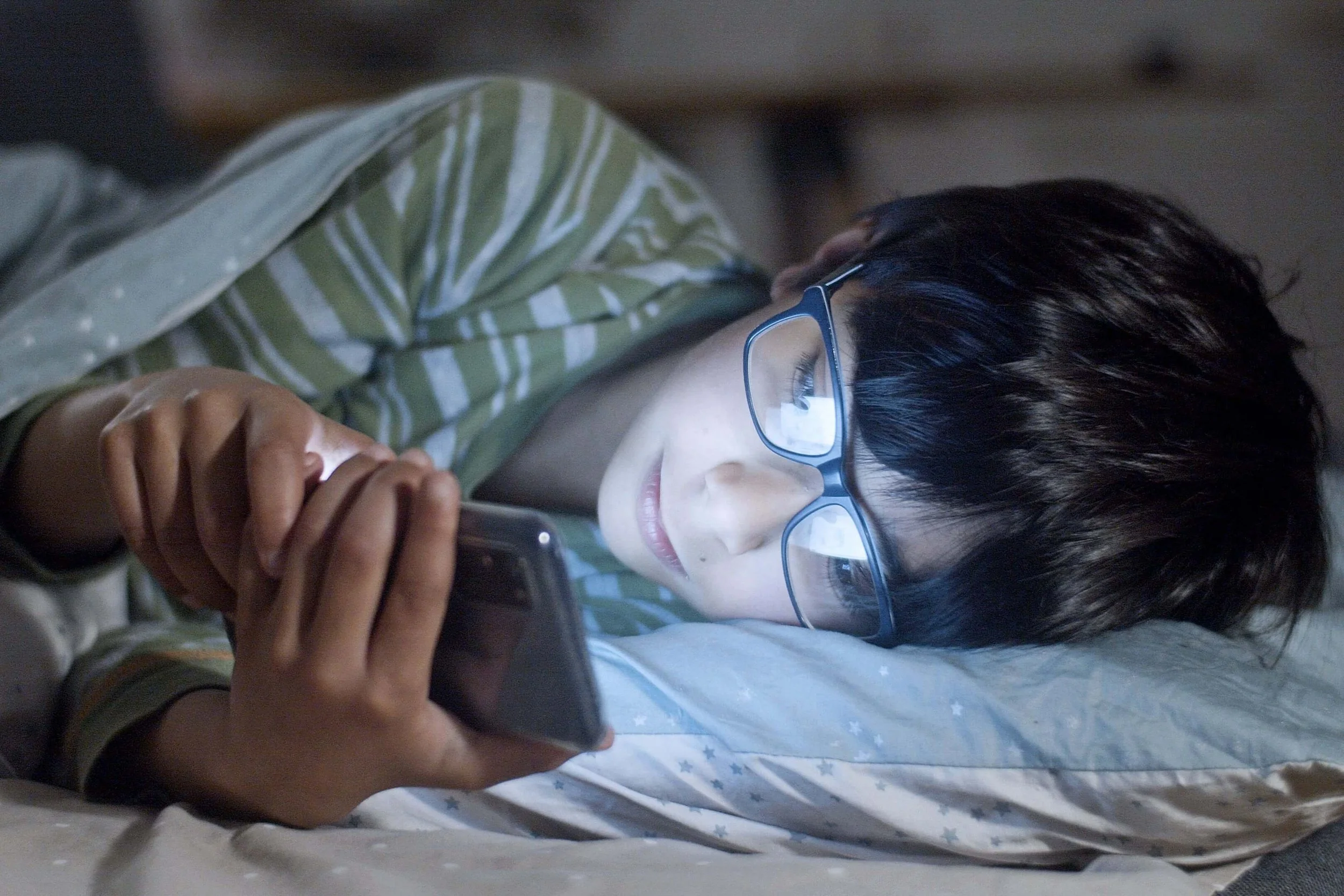
School breaks have a way of rearranging everyone’s schedule. There are late movie nights with cousins, video games with friends that run well past midnight, and mornings with nowhere to be. For a lot of teens, that means sleeping until 11 and calling it well-earned rest. Then the last night of break arrives. At 12:45 a.m., your teen is wide awake.
They’re texting a friend who is also wide awake, with a 6:30 AM alarm just a few hours away. This can be frustrating, but it's a common challenge when returning to school. After two weeks of late nights, your teen's body clock may have shifted later. Fortunately, gradually adjusting their schedule before school resumes can make the transition easier.
How Late Is Too Late for a Teen’s Sleep Pattern Over Break?
A later schedule over break is completely expected, and it helps to understand why. During puberty, the body's internal clock naturally shifts later, making it harder for many teens to feel sleepy early in the evening. Melatonin, the body’s sleep hormone, is also released later at night and switches off later in the morning. So when your teen can barely open their eyes at 7 a.m., their body really is still in sleep mode. Some flexibility over school breaks is expected, but larger shifts can make it harder to return to a school-day schedule, especially when classes start early.
The bigger question is how far the wake-up time has wandered. A quick way to check is to compare it to the school-day alarm. If your teen is regularly waking up more than two hours later, their sleep pattern probably needs some adjusting before school starts. That gap matters, because big swings between break and school schedules can lead to moodiness and daytime sleepiness once classes are back in session. Getting back to a normal sleep pattern also gets easier when you know what you’re aiming for. Most teens need 8 to 10 hours of sleep, and about 9 is typical. If your teen stays unusually sleepy during the day despite getting an age-appropriate amount of sleep, it's worth discussing that with their pediatrician.
How Do You Reset a Teen’s Sleep Pattern Before School Starts?
The most helpful change is also the least obvious one. Instead of pushing for an earlier bedtime, move the wake-up time first and let bedtime follow. Most teens can’t fall asleep early just because they’re told to. However, getting up a little earlier each day slowly brings their body back to a normal sleep pattern.
Gradual changes of about 10 to 15 minutes at a time can make the transition more manageable. Some teens may adjust their wake-up time each day, while others benefit from making changes every other day. The bigger the shift, the earlier you'll want to start. Moving from a 10 a.m. wake-up time to 7 a.m., for example, can take several weeks when changes are introduced gradually. Starting before the final days of break gives your teen time to adjust without rushing.
Small Habits That Make the Reset Easier
Morning light tells the body it’s time to be awake, so breakfast by a sunny window or a few minutes on the porch is worth it. In the evening, try reducing screens and other stimulating activities during the hour or two before bed. A slow, quiet half hour to wind down also gives their body a chance to feel sleepy on time. For older teens, this works best as a shared plan rather than a new rule.
Agree together on a wake-up time, then let your teen choose their own bedtime. Keeping phones out of the bedroom helps. So does modeling healthy sleep habits yourself, since a reset is easier when the whole house is on board. For teens who drive, it's also worth discussing the risks of driving while drowsy, especially during those first early mornings back at school.
What If Your Teen’s Sleep Pattern Doesn’t Bounce Back?
Many teens gradually readjust to their school-day schedule after classes resume. If yours is still struggling, the problem may be more than a residual break schedule. Persistent sleep difficulties can continue even after regular routines resume. Your teen might lie awake for a long time most nights, wake up again and again, or drag through the day no matter how early they went to bed. If you’ve noticed loud snoring or gasping, that’s worth mentioning to a doctor, too. Sometimes, back-to-school stress also contributes to sleep difficulties, especially when teens are anxious about returning to demanding academic or social routines.
Sometimes these struggles point to something specific. Some teens have delayed sleep-wake phase disorder, a circadian rhythm condition that makes falling asleep and waking at conventional times especially difficult. Others may experience persistent insomnia, even when their schedule allows enough time for sleep.

How CBT-I Helps When a Reset Isn’t Enough
Sometimes a family does everything right, and the reset still doesn’t stick. Mornings turn into a daily standoff, and bedtime starts to feel like one more thing to argue about. Insomnia treatment can take some of that pressure off the whole household. With CBT-I, your teen works directly with a therapist to understand their own sleep.
That way, the plan is theirs rather than another rule from Mom or Dad. Having more ownership over the plan may also reduce some of the tension at home. CBT-I also helps teens who have started worrying about sleep itself, like lying awake the night before school, wondering how tired they’ll be tomorrow.
When persistent insomnia is the main concern, CBT-I can help teens address the thoughts and behaviors that interfere with sleep. At Ritenour Counseling, I offer CBT-I treatment for insomnia in San Ramon for teens experiencing ongoing sleep difficulties. If a circadian rhythm disorder is suspected, a physician or sleep specialist can help determine which treatments are appropriate.
Get Your Teen’s Sleep Pattern Back on Track With an Insomnia Therapist in San Ramon
If your teen’s sleep pattern still hasn’t settled weeks after break, there’s no need to keep trying one fix after another on your own. At Ritenour Counseling, I offer specialized insomnia treatment for teens whose sleep troubles have outlasted the break. CBT-I can help address patterns that maintain insomnia, including bedtime worries and habits that make it difficult to fall asleep or stay asleep.
With individualized support, your teen can work toward more consistent sleep and learn strategies for managing future changes in routine. It’s okay if you’re not sure yet whether this is a schedule issue or something more. A quick call is an easy way to talk it through and decide on next steps.
Begin by scheduling a free 15-minute consultation online or by calling (925) 212-8014
Learn more about how I help teens build steadier sleep routines that last through breaks and busy seasons
Connect with an insomnia therapist in San Ramon who understands how school schedules shape a teen’s sleep
Other Services Ritenour Counseling Offers in San Ramon
A sleep pattern that won’t settle is sometimes connected to something else, like anxiety, low mood, or late-night screen habits that are hard to break. Every clinician at our San Ramon therapy practice takes part in twice-weekly case review sessions with a licensed therapist, along with ongoing professional training.
Along with insomnia treatment and CBT-I, our team offers therapy for anxiety and depression, therapy for technology and screen time, and therapy for parents. To learn more, explore the blog and FAQ page, or get in touch today.
About the Author
Michelle Ritenour, LMFT, has been practicing in San Ramon since 2008. Born and raised in the East Bay, Michelle is now raising her own children in the community she’s always called home. Before becoming a therapist, she spent 10 years as an elementary school teacher in the local school district, where she saw how much smoother the first days back from break went for kids who came in rested. Michelle’s training centered on Family Systems and child/adolescent therapy, and she is currently completing advanced CBT-I training through Stanford’s Sleep Health and Insomnia Program (SHIP).
Her approach is warm and empathic, and much of her work focuses on helping teens and young adults who are feeling stuck take a step forward. She brings her friendly and approachable personality to every session, infusing humor and lightheartedness while also being direct when necessary. Michelle creates a safe space where teens feel comfortable figuring out what their body and mind need to rest well.
References
American Thoracic Society. (2021). “Healthy Sleep in Teens.”
Canapari, C. (2026, August 9). “The Back-to-School Sleep Tune-Up.”
Cleveland Clinic. (2023, June 19). “Sleep Disorders.”
Johns Hopkins Medicine. “Teenagers and Sleep: How Much Sleep Is Enough?”