
What to Know About Finals, Sleep, and Teen Mental Health
Is another hour of studying worth losing an hour of sleep? Usually not. Sleep supports memory, concentration, and emotional well-being, all of which matter during exams. Parents can help by encouraging shorter study sessions over several days, setting realistic stopping times, and protecting time for rest. If sleep difficulties continue after finals, even when your teen has enough time to sleep, it may be worth exploring whether insomnia or another sleep-related concern is involved.

Finals Week, 12:30 a.m.
Most parents remember cramming for a big test at least once, so a teen up past midnight with a textbook can seem like a normal part of high school. During finals, though, it can turn into a plan for the whole week. Picture your teen at the kitchen table at 12:30 a.m., chemistry notes spread out next to a half-eaten bowl of cereal. They had practice until six, homework for two other classes, and a chemistry final first period. When you suggest bed, they shrug and say, “I’ll sleep after finals.” The next morning, on the drive to school, they can’t remember the formula they went over three times.
It's an understandable choice. When so much seems to ride on one test, skipping sleep can feel responsible. But what happens when that extra study time comes at the expense of the memory and focus your teen needs for the exam?
Should Teens Stay Up Late to Study?
In most cases, getting enough sleep is more beneficial than squeezing in another hour of studying. Sleep supports vital skills like attention, memory, analytical thinking, and creativity. These are the same skills your teen will rely on during an exam. Without enough rest, teens may have trouble concentrating, recalling information, and managing their time.
One late night won't ruin a semester. The bigger concern is when late nights become the plan for an entire finals week. Even when your teen spends more hours studying, they may have a harder time using what they've learned if they're consistently short on sleep.
How Much Sleep Does a Teen Need?
Most teens need more sleep than they're getting, and more than many parents expect. The American Academy of Sleep Medicine recommends 8 to 10 hours of sleep per night for teens ages 13 to 18, a recommendation endorsed by the American Academy of Pediatrics. That can sound like a lot for a high schooler with a full schedule. A 2026 study examining more than 30 years of survey data found that teen sleep had reached its lowest levels in three decades. In 2021–2023, about 37% of 12- and 13-year-olds and 22% of 18- and 19-year-olds reported getting at least seven hours a night, showing how widespread short sleep has become.
Finals week usually makes that gap wider. If your teen is up until 1 a.m. and the alarm goes off at 6:30, they’re getting five and a half hours. That's well below the recommended amount. Going to bed earlier isn’t always simple, either. A teen’s body clock naturally runs later than an adult’s. So, even when they’re exhausted, their body may not feel ready for sleep until well into the night.
How Are Sleep and Teen Mental Health Connected?
Sleep and teen mental health are closely connected, and finals week tends to make that easy to see. After a few short nights, a teen who usually shrugs off a tough quiz might come home in tears over one. They may also have a harder time concentrating or managing frustration. Over time, consistently getting too little sleep is associated with greater difficulties involving anxiety, depression, and emotional regulation.
Better rest can support your teen's ability to cope with academic pressure. If you've noticed changes in their mood or school performance, it may help to understand how poor sleep can affect teens' mental health and academic performance.
What Does Sleep Deprivation Look Like During Finals?
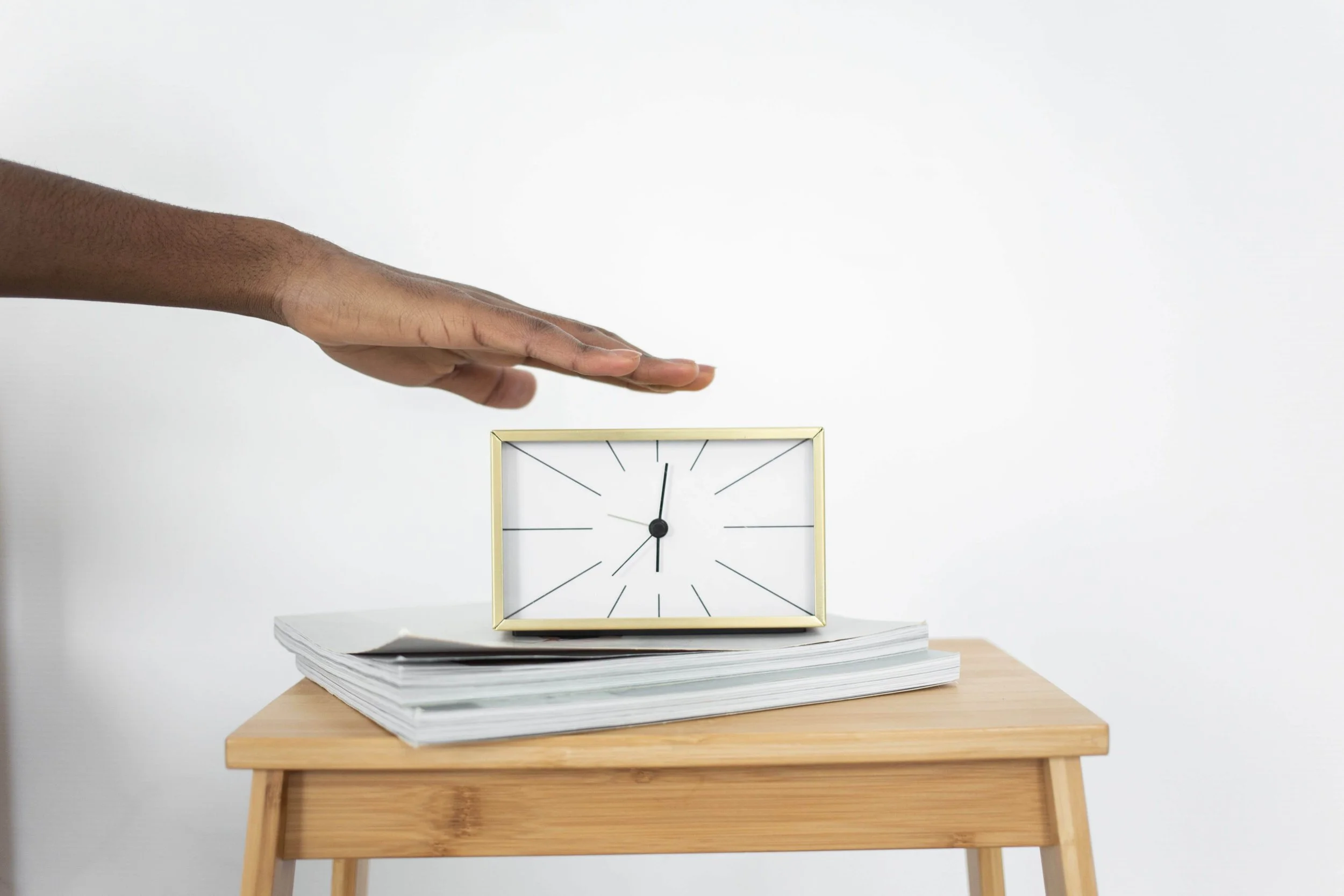
Sleep deprivation can be easy to miss because teens rarely come out and say, "I'm exhausted." More often, it shows up in small, everyday ways. Your teen might hit snooze three times, skip breakfast for a few extra minutes in bed, or seem half-asleep on the drive to school. In the evening, they may reread the same page of notes repeatedly or doze off with the textbook still open. Material they knew well the day before can suddenly feel like a blank.
These patterns are worth paying attention to during finals, especially when several late nights have started adding up. If your teen is consistently struggling to stay awake, concentrate, or manage their usual responsibilities, it may be time to reconsider how much sleep their schedule allows.
When Is It More Than a Rough Week?
Sleep often improves when a stressful period ends, and there's more time for rest. But if your teen continues having trouble falling asleep or staying asleep after finals, it's worth a closer look. Their mind may have trouble shutting off, keeping them awake long after the lights go out. They might wake up often with a jolt of worry, as if they've forgotten something important. Persistent sleep difficulties, especially when your teen has enough time available to sleep, could point to insomnia or another sleep-related concern.
If this sounds familiar, your teen's pediatrician can help evaluate possible causes of their sleep difficulties. A therapist trained in CBT-I may also be helpful when persistent insomnia is involved. If your teen talks about suicide or self-harm, seek immediate guidance. Call or text 988 for crisis support, or call 911 if they're in immediate danger.
How Can Parents Help During Finals Week?
One of the best things you can do is treat sleep as part of the study plan rather than something that gets squeezed in at the end. Check in with your teen and be available when they're stuck, but let them do the work. When you notice steady effort, say so. A simple reminder like "You can do hard things" can go a long way.
Before finals week begins, sit down with your teen and look at the exam schedule together. Which subjects need the most review? Which nights are likely to be especially busy? Help them choose realistic study blocks and a stopping time that protects their sleep. If they're still reviewing material late at night, encourage them to focus on the most important concepts rather than trying to cover everything. Practicing recall, such as answering questions without looking at notes, can also make study time more productive.
Studying a little each day is often more effective than cramming the night before a test. Some teens may also benefit from temporarily cutting back on extracurricular activities or work hours when possible. According to the American Academy of Pediatrics, working more than 20 hours a week has been associated with lower grades and reduced school involvement. None of this has to be perfect. Even making time to wind down before bed can help your teen get the rest they need.
How Insomnia Treatment Can Help Teens Sleep Again
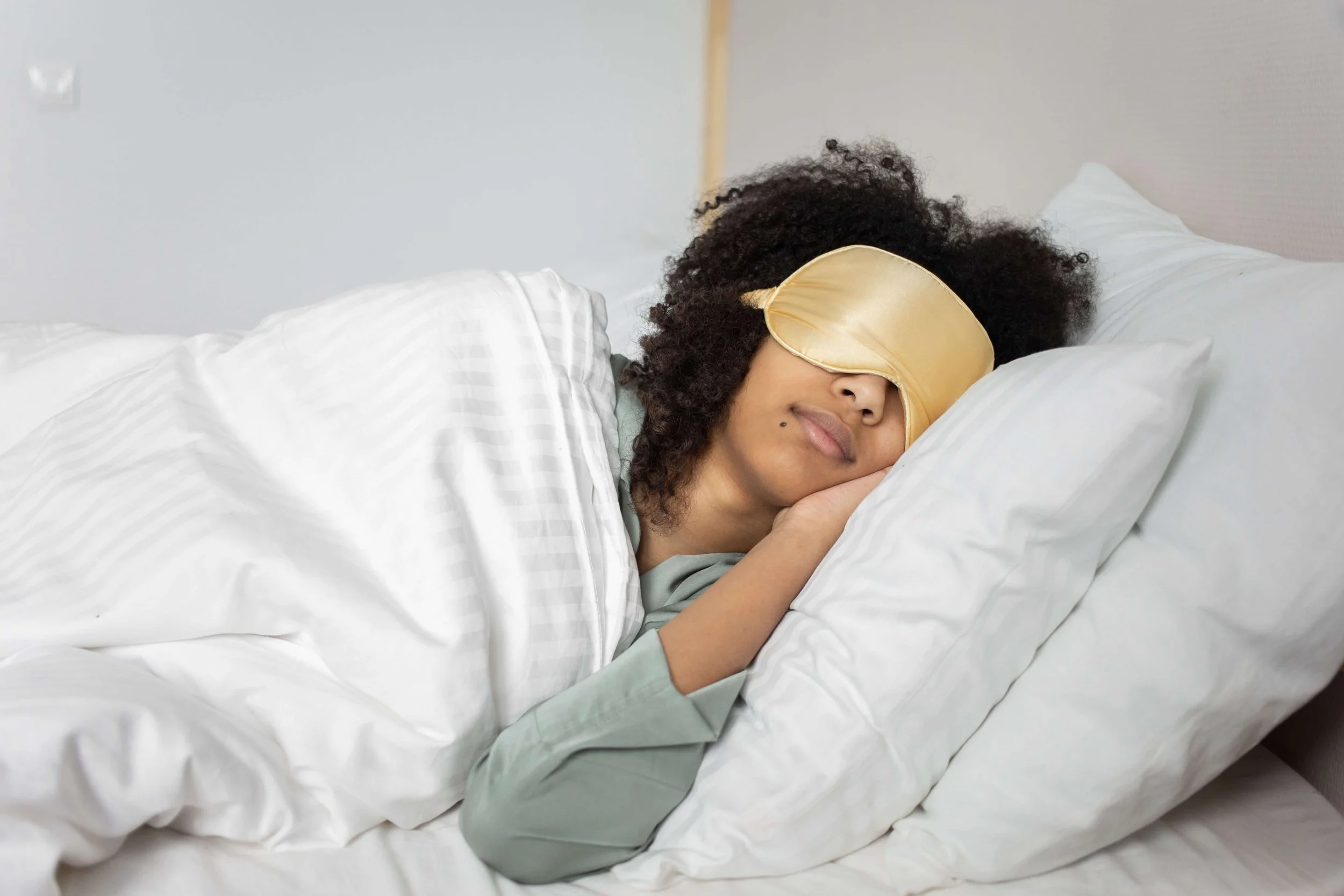
Sometimes, sleep difficulties continue even after finals are over. Your teen may have enough time to sleep but still struggle to fall asleep or stay asleep. Stress-related worries, irregular sleep schedules, and habits that have developed around bedtime can sometimes contribute to the problem.
Cognitive Behavioral Therapy for Insomnia (CBT-I) addresses the thoughts and behaviors that contribute to persistent insomnia. Maybe your teen studied in bed for two weeks, and now their brain treats the bed more like a desk. Or maybe they lie awake replaying a test question they're sure they got wrong. CBT-I can help teens develop healthier sleep patterns, rebuild the connection between bed and sleep, and address worries that make bedtime more stressful.
Michelle offers insomnia treatment in San Ramon for teens experiencing persistent sleep difficulties. Parents who want to better understand insomnia in teens can also learn more about its symptoms and available treatment approaches.
Still Struggling With Sleep After Finals? CBT-I in San Ramon May Help
If your teen's sleep still hasn't bounced back after finals, it may be time for more support. At Ritenour Counseling, I offer specialized insomnia treatment for teens experiencing ongoing sleep difficulties. CBT-I can help address the patterns keeping them awake, including bedtime worries and routines that developed during stressful periods. With individualized support, your teen can work toward more consistent, restorative sleep.
Reaching out can feel like a big step, especially when everyone in the house is already tired. A brief call is a simple way to get your questions answered and see whether this kind of help is a good fit.
Begin by scheduling a free 15-minute consultation online or by calling (925) 212-8014.
Learn more about how I help teens address persistent insomnia and rebuild healthier sleep patterns.
Connect with an insomnia therapist in San Ramon who understands how school pressure can affect sleep.
Other Services Ritenour Counseling Offers in San Ramon
Sleep trouble during finals can be connected to other challenges, including test anxiety, a heavy course load, or stress that has been building throughout the semester. Every clinician at our San Ramon therapy practice takes part in twice-weekly case review sessions with a licensed therapist, along with ongoing professional training.
Along with insomnia treatment and CBT-I, our team offers therapy for anxiety and depression, therapy for stress management, therapy for technology and screen time, and therapy for parents. To learn more, explore the blog and FAQ page, or get in touch today.
About the Author
Michelle Ritenour, LMFT, has been practicing in San Ramon since 2008. Born and raised in the East Bay, Michelle is now raising her own children in the community she’s always called home. Before becoming a therapist, she spent 10 years as an elementary school teacher in the local school district, where she learned how routine and rest help kids handle a busy school year. Michelle’s training centered on Family Systems and child/adolescent therapy, and she is currently completing advanced CBT-I training through Stanford’s Sleep Health and Insomnia Program (SHIP).
Her approach is warm and empathic, and much of her work focuses on helping teens and young adults who are feeling stuck take a step forward. She brings her friendly and approachable personality to every session, infusing humor and lightheartedness while also being direct when necessary. Michelle creates a safe space where teens feel comfortable talking about what’s keeping them up and what they need to feel steady again.
References
American Academy of Pediatrics, HealthyChildren.org. (2026, August 26). “How to Help Your Teen Succeed in School: Sleep, Study Habits & More.”
Jenco, M. (2026, May 12). “Study: Teen Sleep at Its Lowest in Three Decades.” AAP News.
Sleep Foundation. (2026, May 29). “Teens and Sleep.”